
About
What is PHA and why does it matter for your family?
Biobased
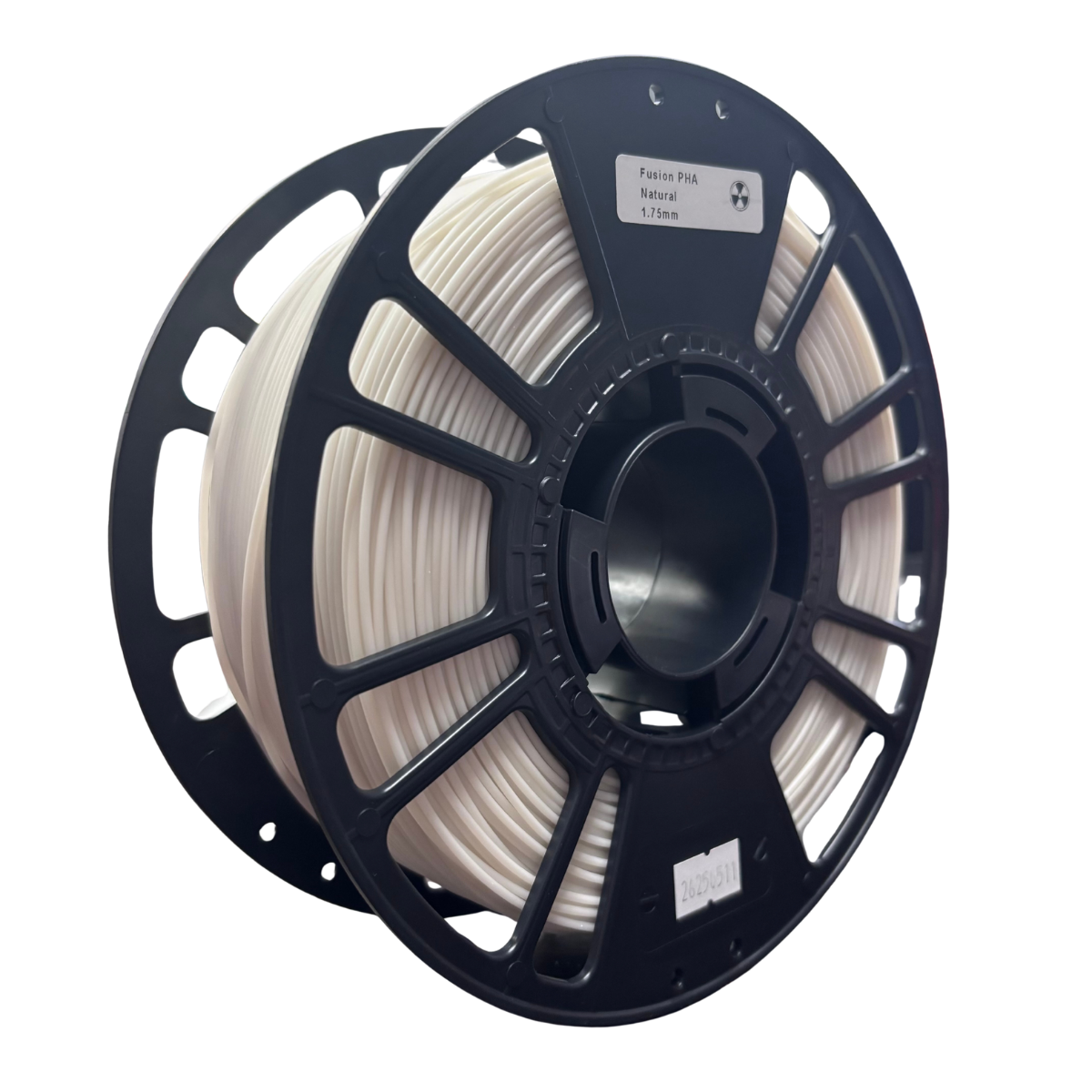
PHA is naturally produced by microorganisms - not derived from petroleum or fossil fuels. It's a material that comes from biology, not a refinery.
Non-toxic
No BPAs, petroleum, phthalates, or PVC - ever. PHA has no toxic breakdown products, making it one of the safest materials available for children's products.
Biodegradable
When eventually disposed of, PHA breaks down completely in soil, freshwater, and marine environments. No microplastics. No fragments. No trace.
Products Made with YOPP®
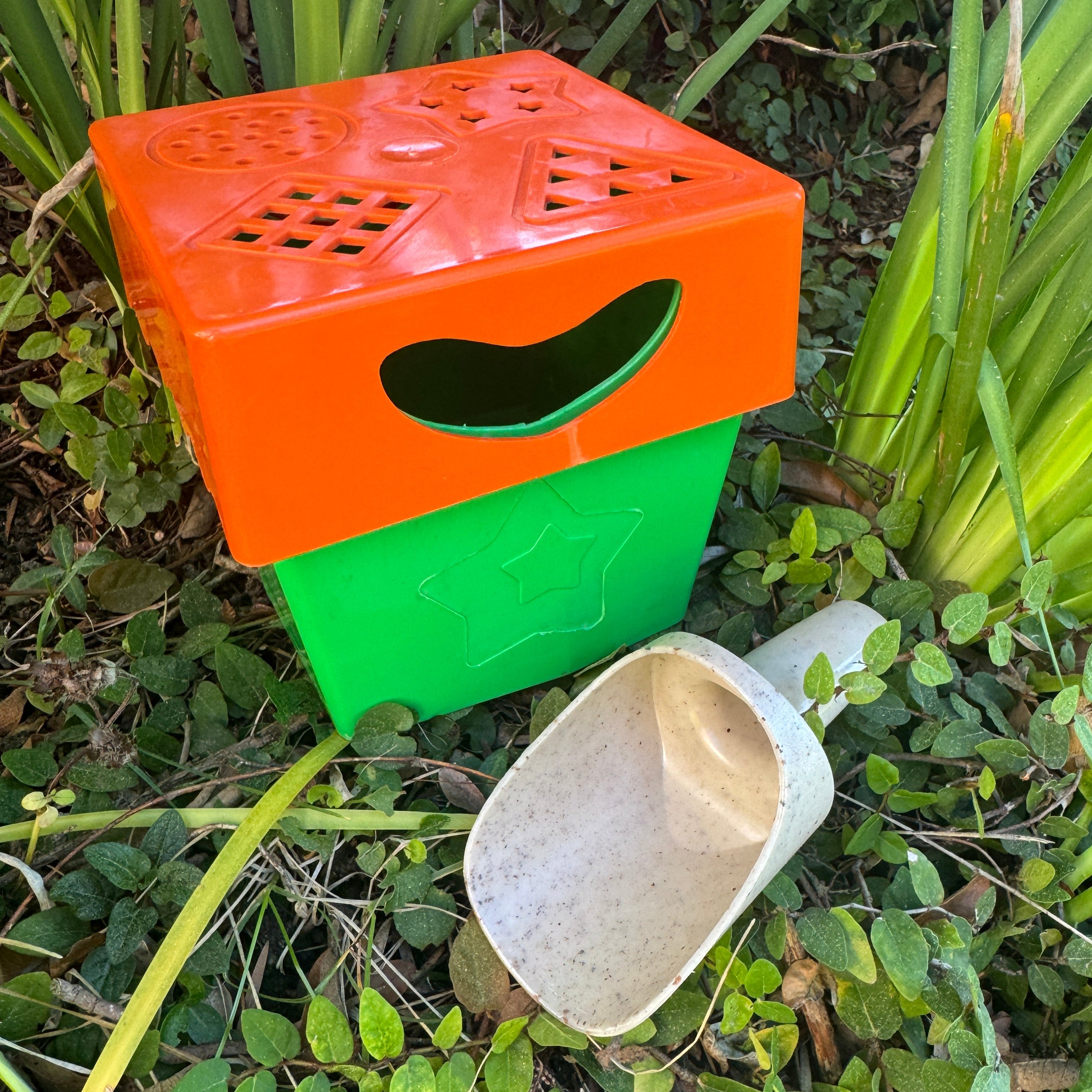
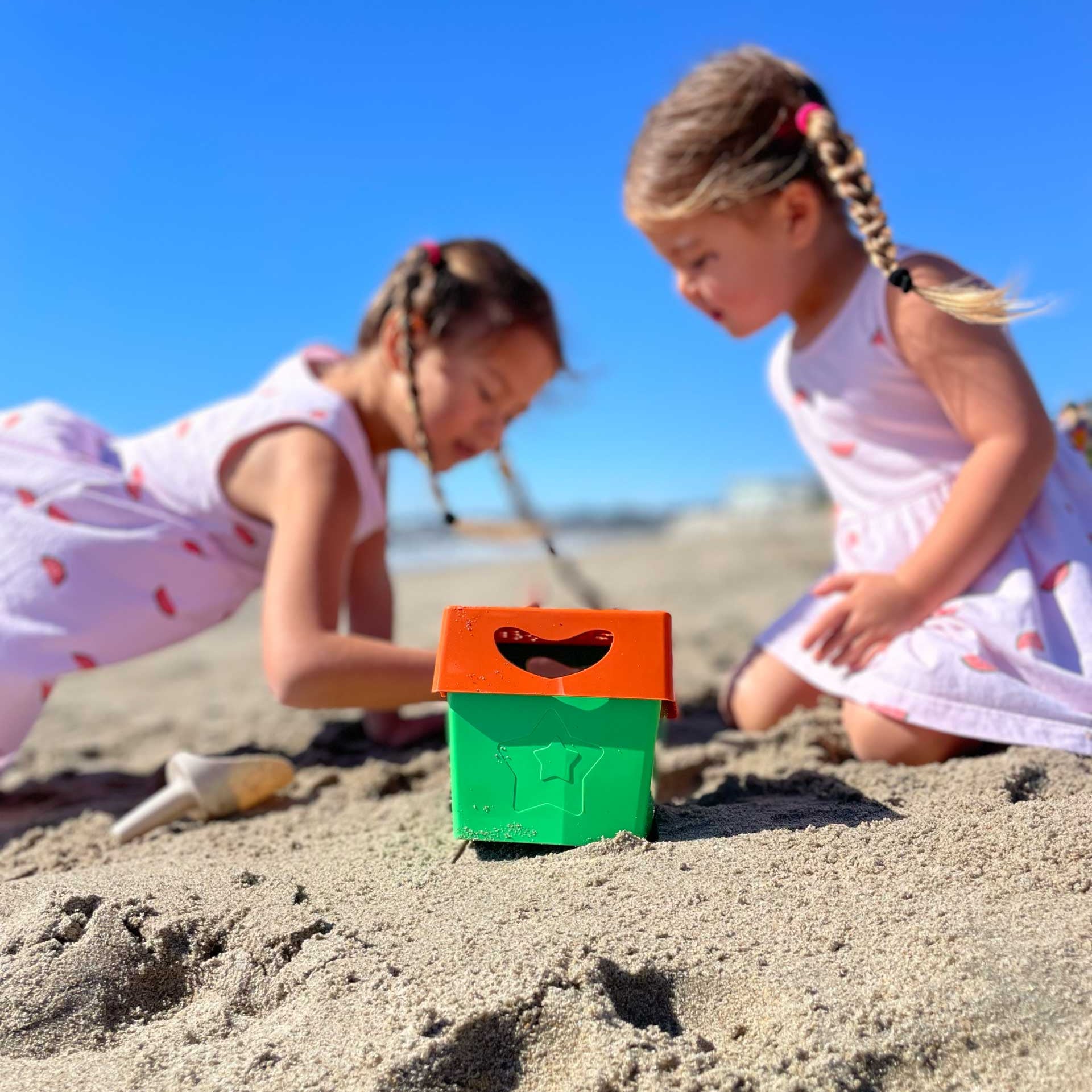
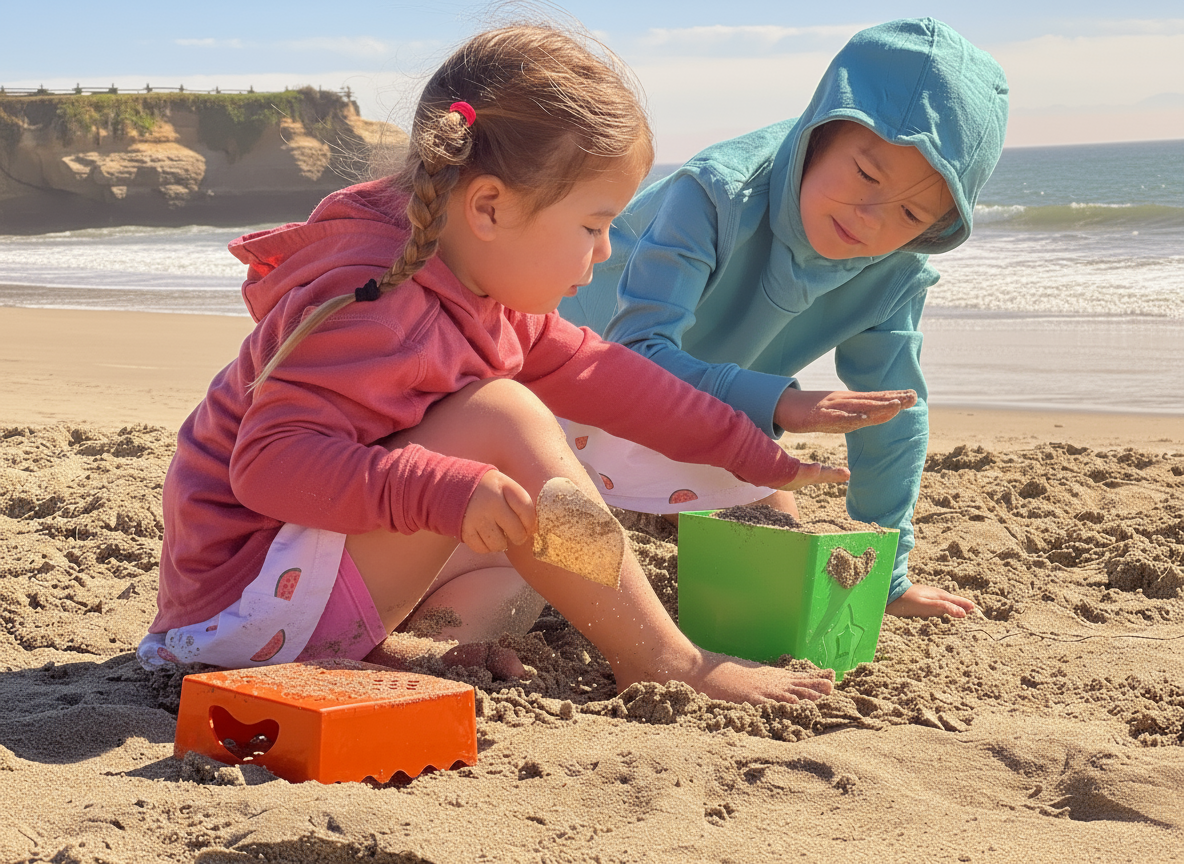
As a mom of two young kids and someone who cares deeply about protecting our natural world, this sandbox set is exactly what I was looking for. It’s safe for my kids, safe for the planet, as durable as any other high quality plastic toy and (very importantly) my kids love it! These YOPP toys have become the default digging tools in our sandbox and we will be bringing them on a lot of lake adventures this summer. If you’re looking for sand toys you can feel truly good about, this set is it!
Mango Materials sees the future. Female innovators designing for the planet. AMAZING!
Absolutely love it! The quality is top-notch, and I’ve already recommended it to several friends.
I love having this set to share the challenge of plastics and the benefits of innovation with my kiddos.
Fast delivery, great quality, and amazing support! I had a few questions and the team was incredibly helpful and friendly throughout.
As Seen In





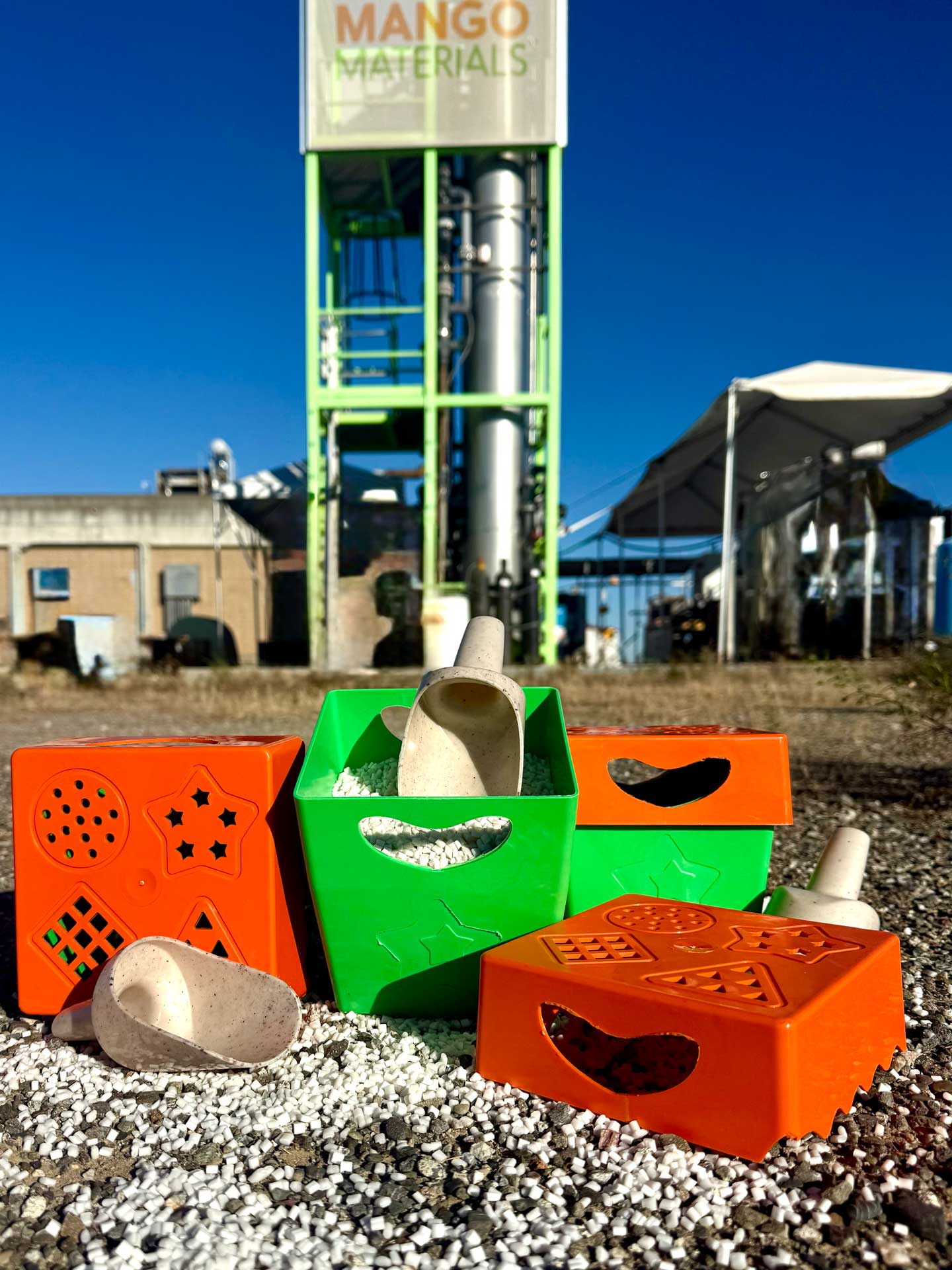
We turn biogas methane—an emission from the Vacaville, CA wastewater plant—into a biopolymer called PHA. That’s the power of circular design: transforming waste into wonder.
YOPP® stands for “You Omit Polluting Plastics.”
It’s more than a material—it’s a movement.
Have a question ? We are here to help.
Check out the most common questions our customers asked. Still have questions ? Contact our customer support.
What is PHA?
PHA stands for polyhydroxyalkanoate, a biopolymer produced naturally by microorganisms, plants, and even humans! It performs like conventional plastic but biodegrades completely in natural environments when eventually disposed of, leaving no microplastics behind.
What does "Made with YOPP®" mean?
It reflects our belief that materials should work with the earth, not against it. Our mission is to replace petroleum plastics with naturally regenerative, non-toxic, high-performance biopolymers. YOPP = You Omit Polluting Plastics
What makes the YOPP® Sandbox Toy one of the most eco-friendly sandbox toys available today?
Most sandbox toys are made from conventional petroleum-based plastic that sheds microplastics, contains potentially harmful additives, and persists in landfills for 500+ years. YOPP® is different. The YOPP® Sandbox Toy Set is made from PHA, a biopolymer naturally produced by microorganisms, making it one of the only truly eco-friendly sandbox toys on the market. It's biobased, non-toxic, and biodegrades completely in natural environments when eventually disposed of. No petroleum. No microplastics. Nothing left behind.
Are YOPP® Sandbox Toy Sets for kids non-toxic?
Yes. YOPP® is made from PHA, a biopolymer that contains no petroleum derivatives and no toxic additives. Unlike many products that claim to be non-toxic without independent verification, YOPP® is a non-toxic sandbox toys for kids at the material level. The colorants used in every piece are eco-friendly and nature inspired. No BPAs, phthalates, or PVC — ever.
What age is the YOPP® Sandbox Toy Set suitable for?
The YOPP® Sandbox Toy Set is designed for children aged 2 and up. The 3-piece set — bucket, scoop, and sifter — is sized for little hands and built to withstand years of real outdoor play. As one of the few truly non-toxic sandbox toys for kids in this age range, YOPP® gives parents peace of mind knowing that what their toddler is touching, mouthing, and playing with every day is safe at the material level, not just on the surface.